SHIZEN WO SHOKUSU is a one-day dining gathering where producers, chefs and guests share a table. Knowing the land, meeting its producers and eating its food can inspire what we do next.
The project was founded by Taku Aoyama, owner-chef of the Italian restaurant Grasara in Kagurazaka, Tokyo. Seeking to question the fundamental meaning of food and help create its future, Aoyama began exploring a different value system from one concerned solely with the economic success of restaurants: rethinking the relationship between food and farming, and creating new culture from the restaurant table.
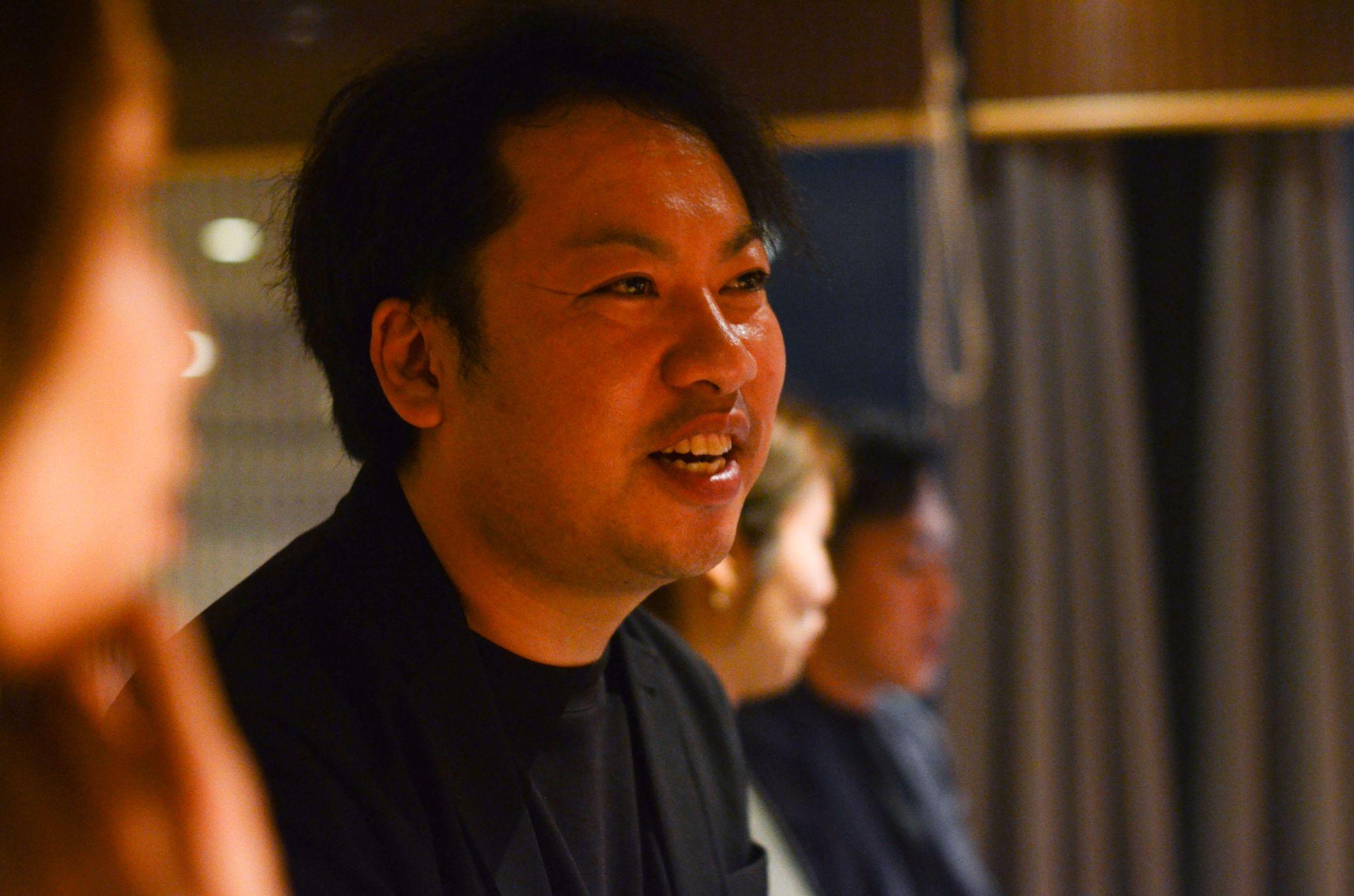
A SHIZEN WO SHOKUSU dinner was held at Grasara, with Akaushi beef from Aso, Kumamoto, at its center. Ryuhei Yoshida of Sankyo Group, one of the producers raising the cattle, came from the region to share the table. It was an unusually intimate opportunity to spend time together.
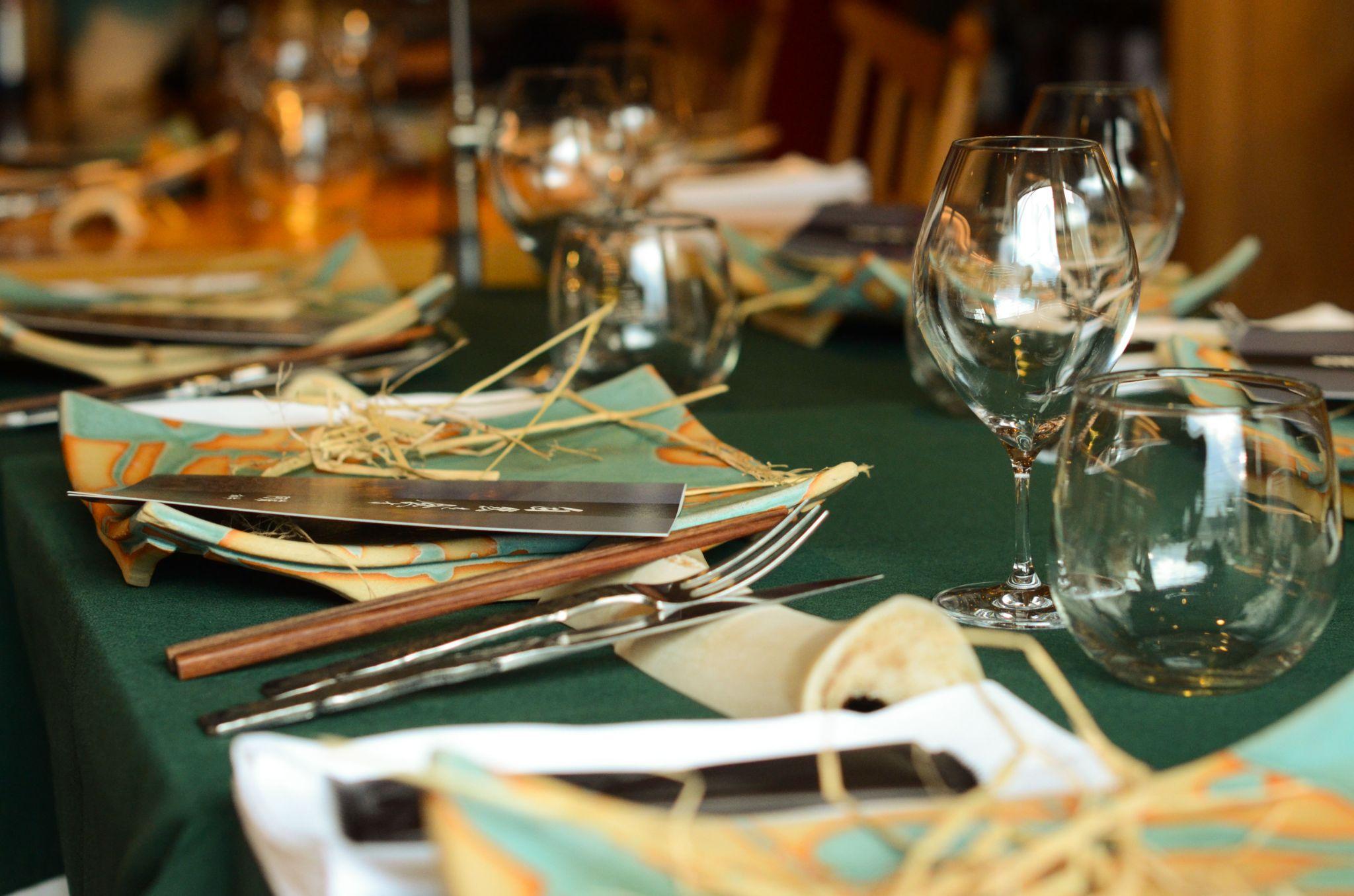
Revealing the appeal of Akaushi beef beyond the plate
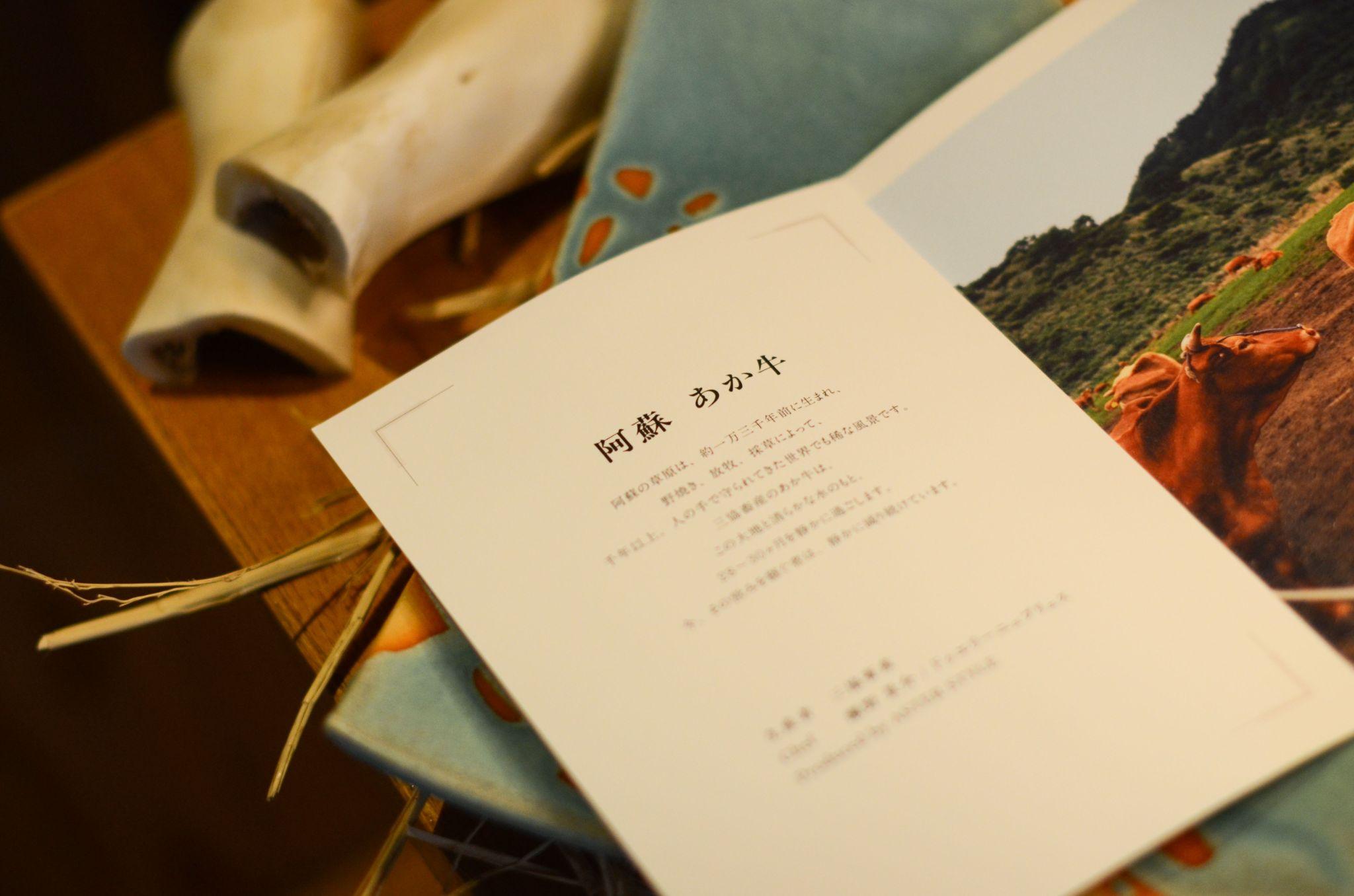
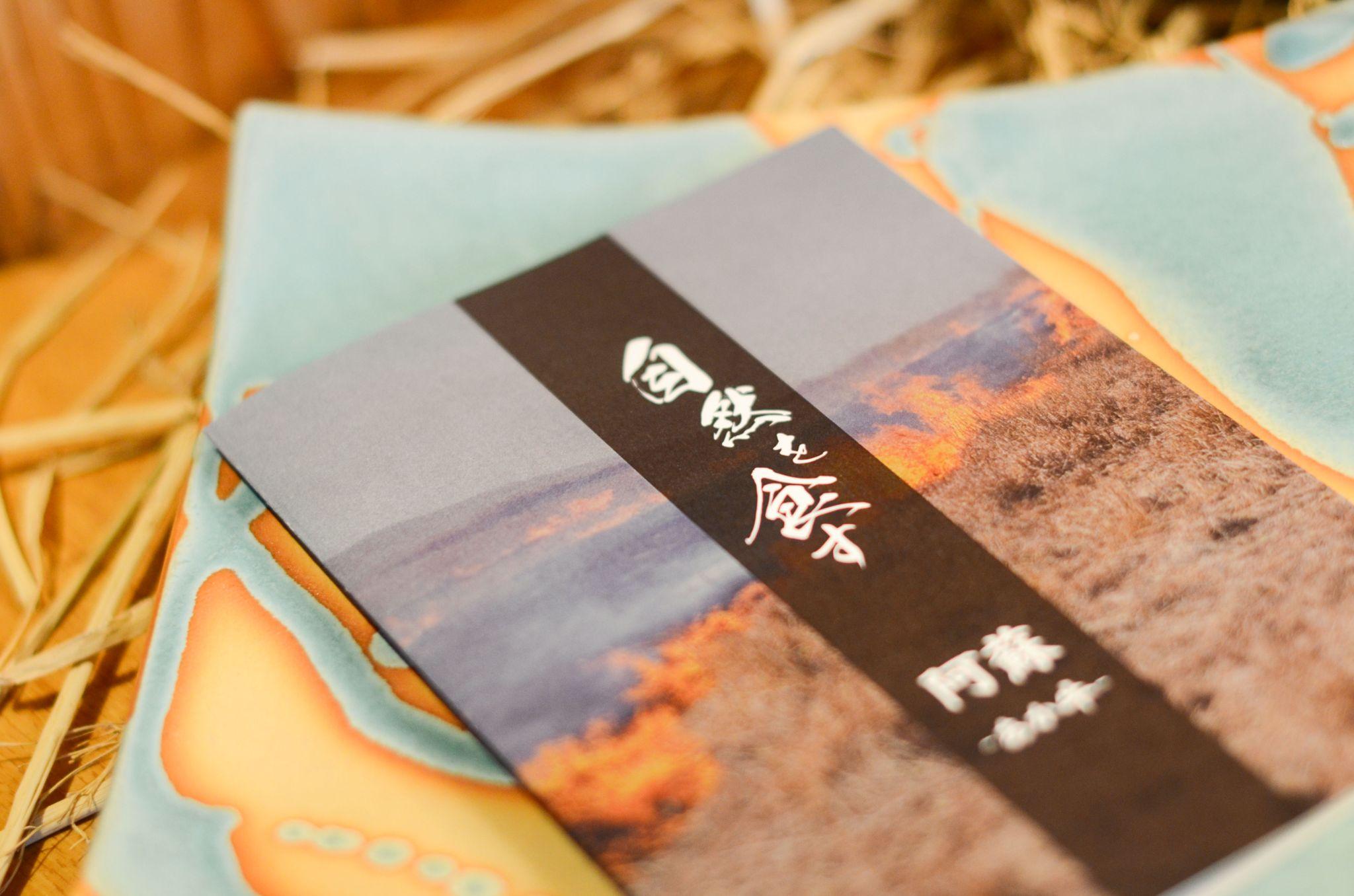
Rice straw, suggesting the cattle's rearing environment, was arranged on show plates at the table. It was a direct reminder that this meal connected the place of production with the people taking part.
It is worth explaining the beef at the center of the evening. The Japanese Brown breed, represented by Kumamoto Akaushi, is one of the four principal Japanese cattle breeds, alongside Japanese Black, Japanese Shorthorn and Japanese Polled. Another well-known example is Tosa Akaushi from Kochi. Whereas Japanese Black accounts for more than 90 percent of the market and is associated with pronounced marbling, Akaushi is valued for its lean meat and the direct flavor of beef itself.
Sankyo Group's cattle are also distinctive in that they are fed rice in addition to ordinary feeds such as grass and straw. Rather than relying primarily on grazing, the animals are raised on a specially developed feed formulation, refined over years of research, and Aso's fresh water. The result is lean meat with a measured amount of attractive marbling: a balance of umami, aroma and tenderness.
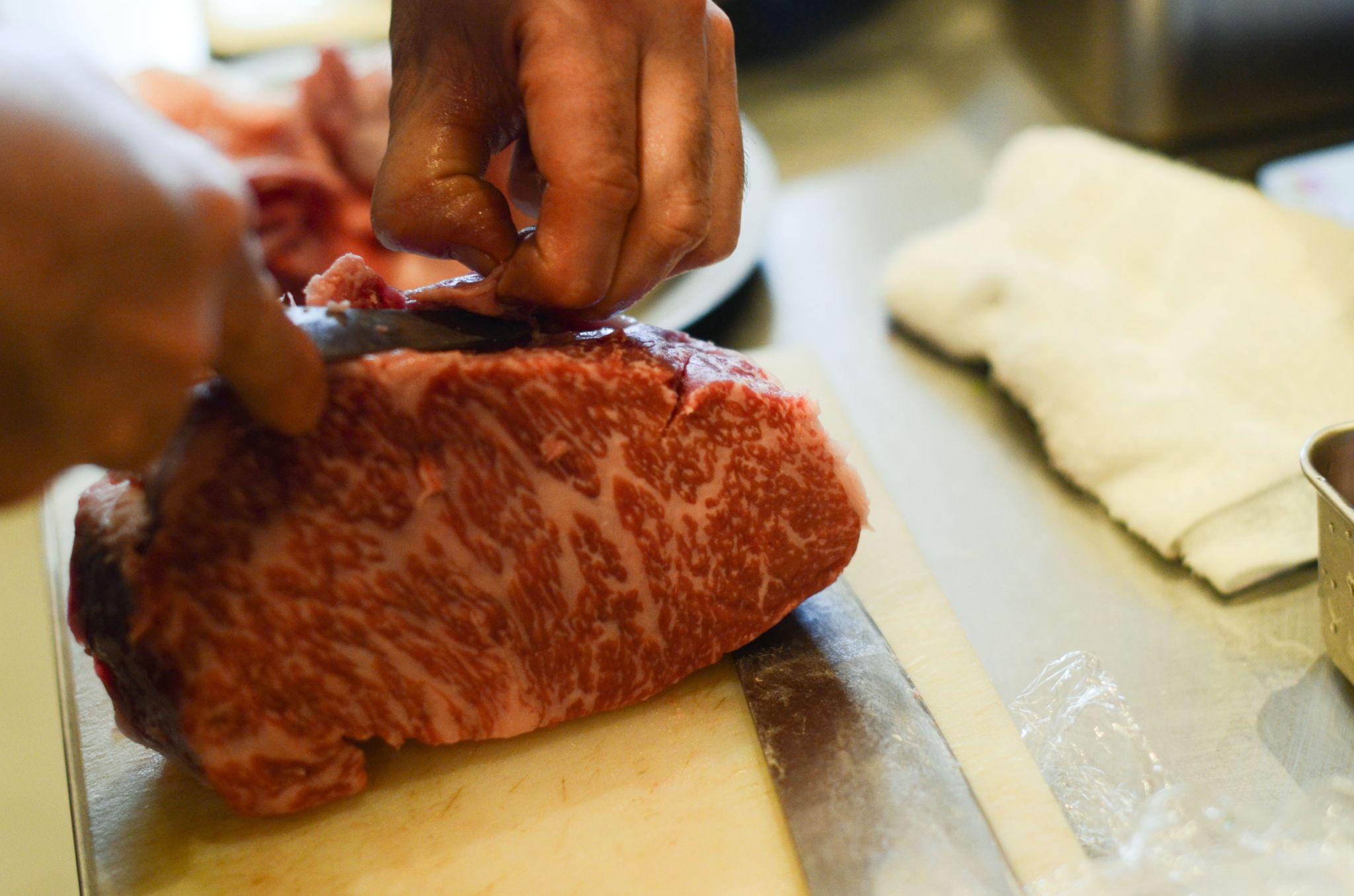
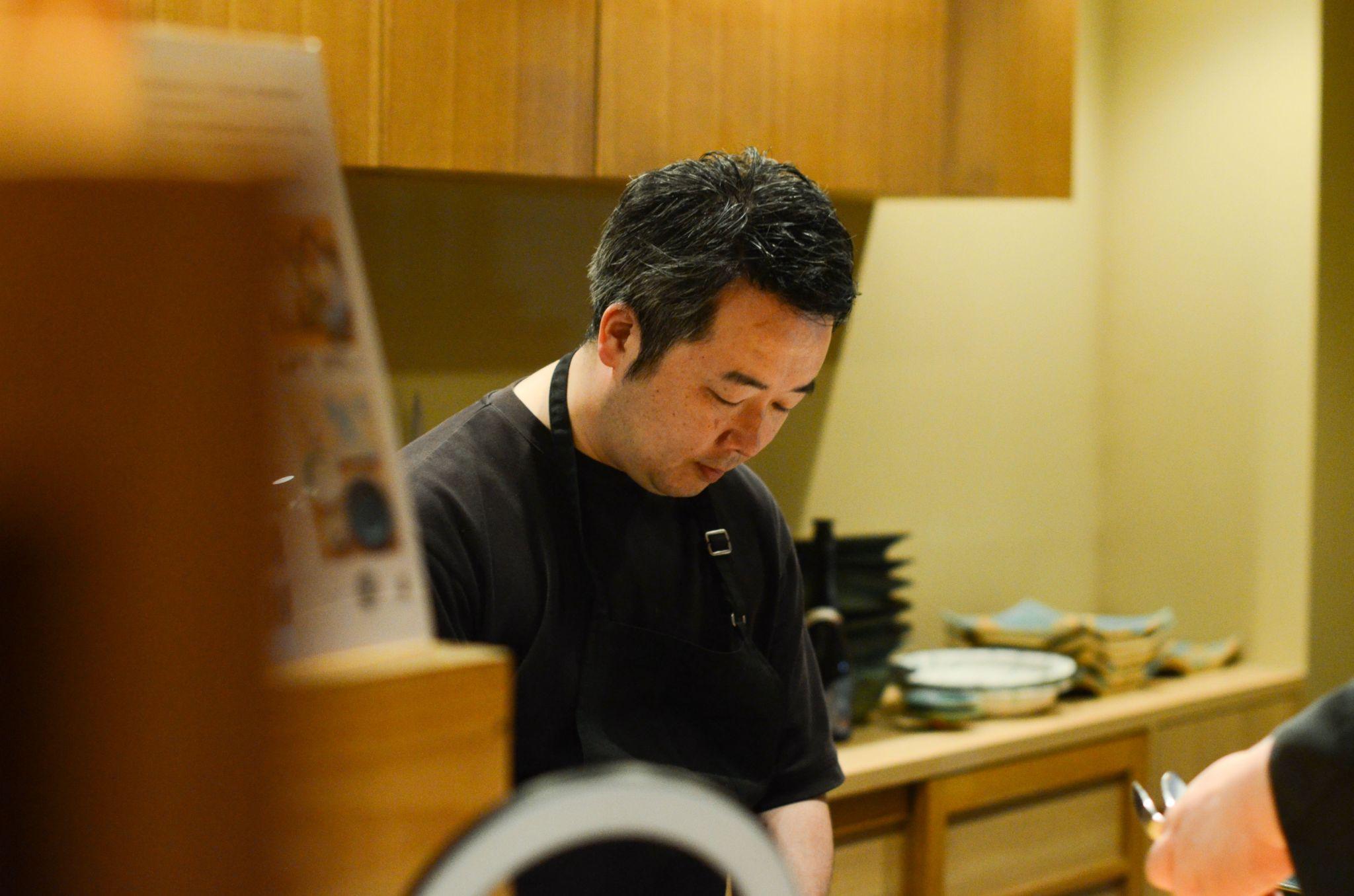
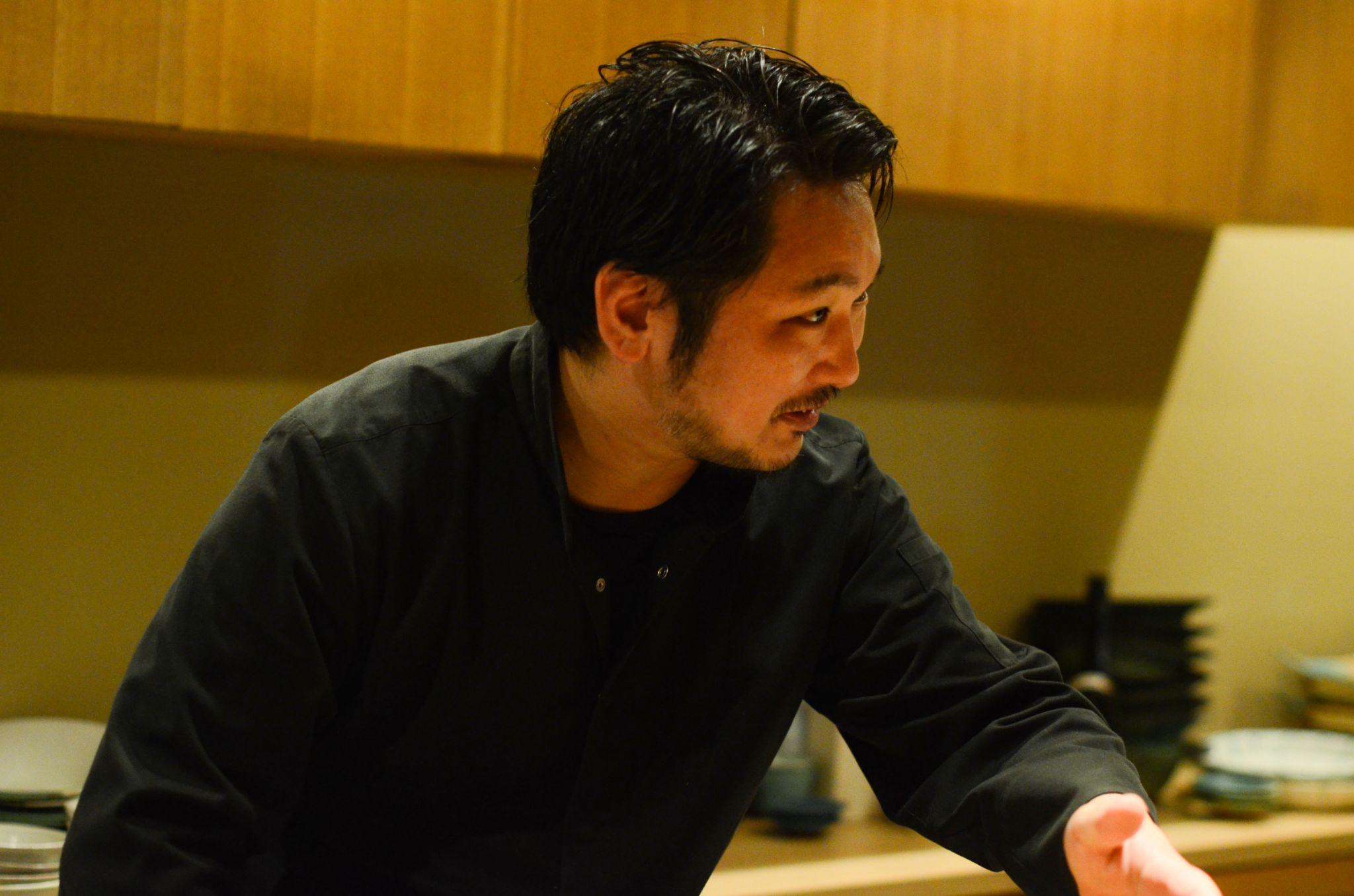
The chef entrusted with the meal was Keisuke Seno of the counter-style French restaurant Due ligne+ in Ushigome-Yanagicho, Tokyo. Seno approaches ingredients sincerely, cooking without unnecessary showmanship and allowing each ingredient to speak. Aoyama served as facilitator throughout the evening.
The course began with consommé made from Akaushi trimmings and aromatic vegetables.
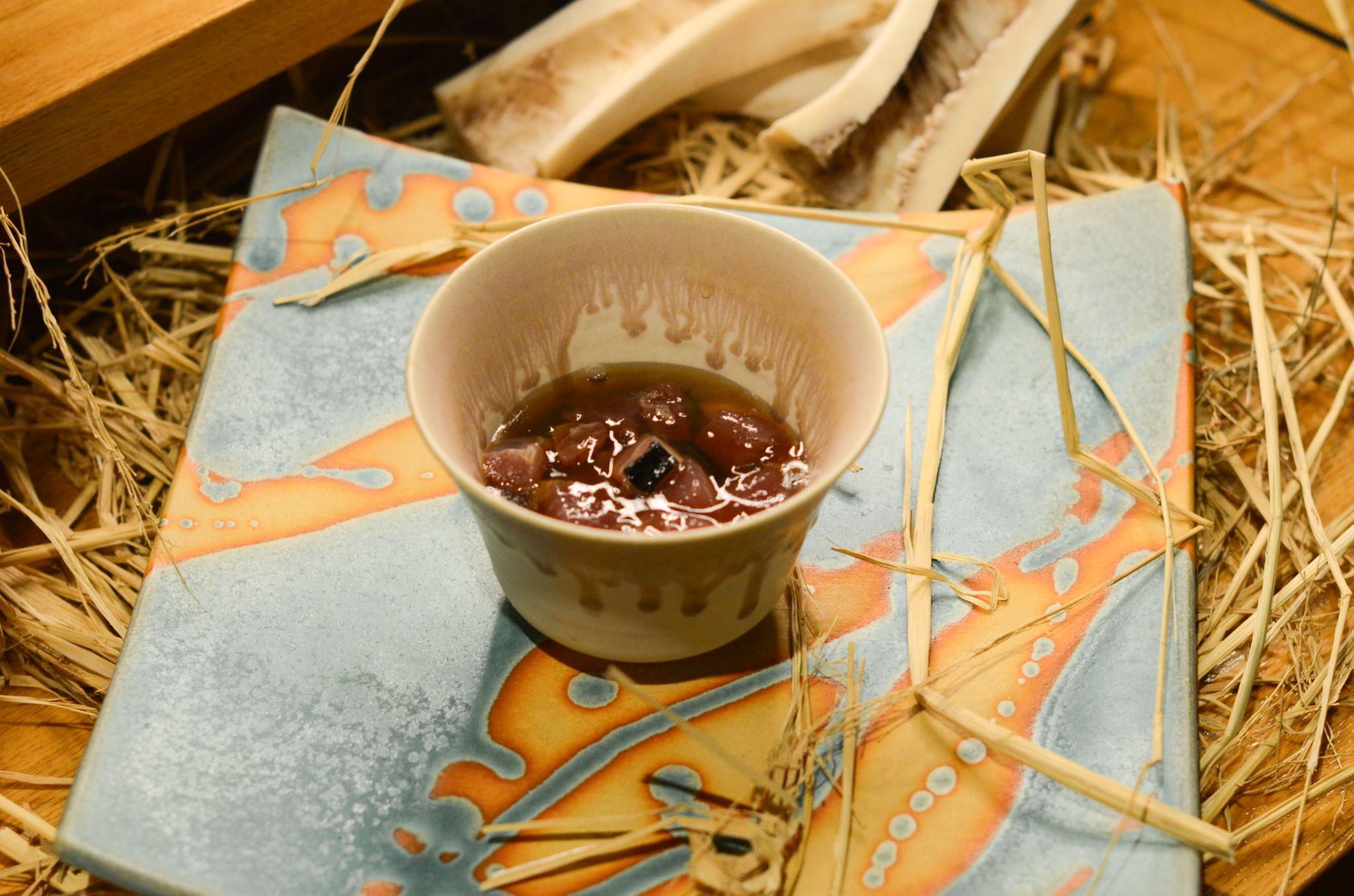
Akaushi consommé / Bonito / Celeriac
The consommé was enriched with bonito seared over straw. The blood-like quality of bonito was layered with the earthy fragrance of celeriac. Seno said he wanted this bold pairing to suggest the “blood of Akaushi.” The dish asked a fundamental question: eating means taking another life into our own.
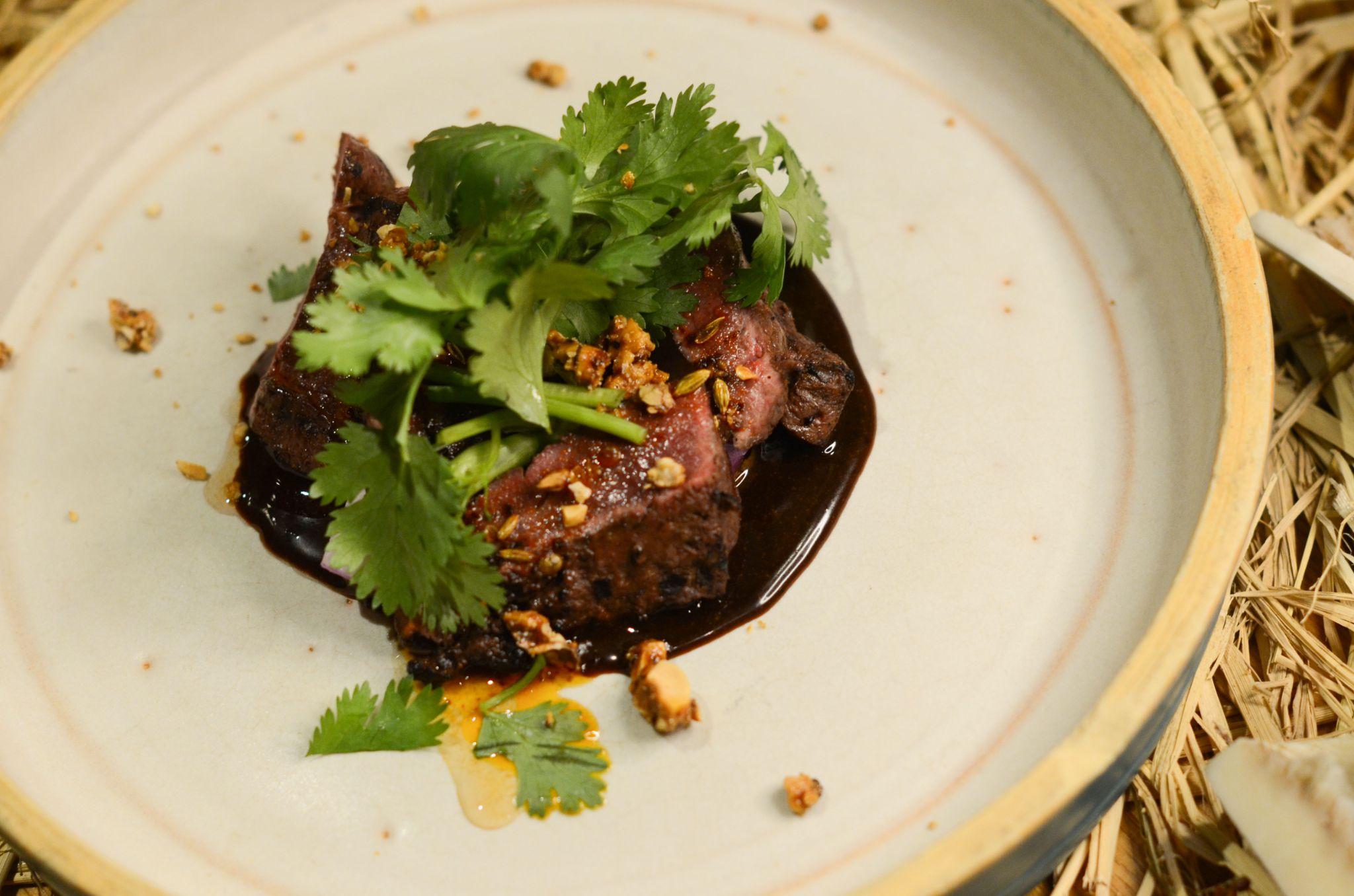
Liver / Hazelnut / Coriander
Next came fresh Akaushi liver with a sweet-and-sour reduction of balsamic vinegar, coriander and hazelnut. Interpreted through the Italian idea of agrodolce, the dish carried Mediterranean and Middle Eastern accents. Its powerful flavors stood up to the liver, reflecting Seno's experience with both Italian and French cuisine.
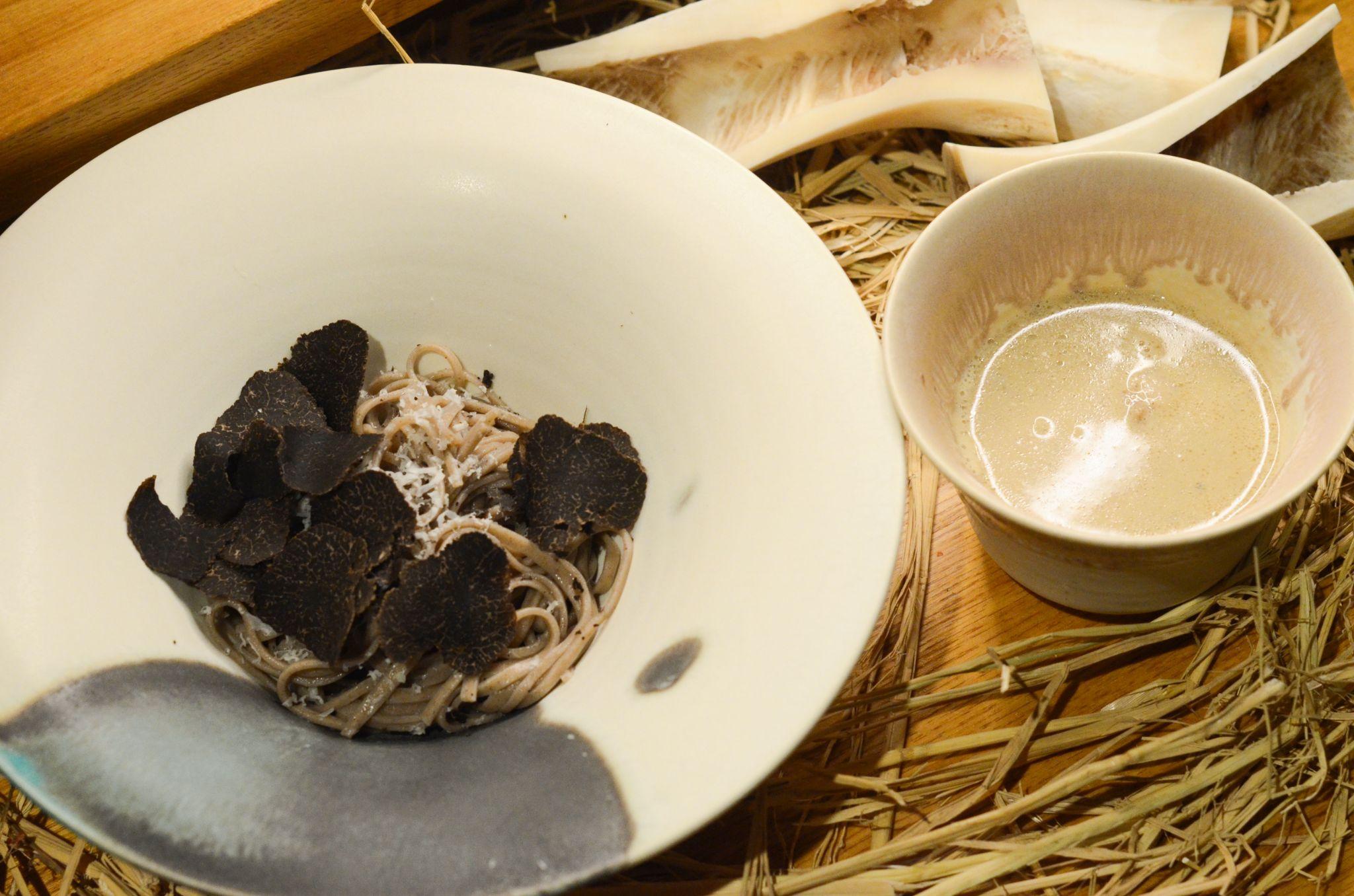
Offal soba
The following dish was dipping soba with Akaushi offal in a soy-milk-based broth.
“Dipping soba in an Italian restaurant?” It might sound surprising. At Grasara, however, Aoyama has created a signature style called Itasoba, fusing Italian cooking with soba noodles and attracting recognition in Japan and abroad.
For this evening, rare Akaushi offal formed the heart of the dipping broth.
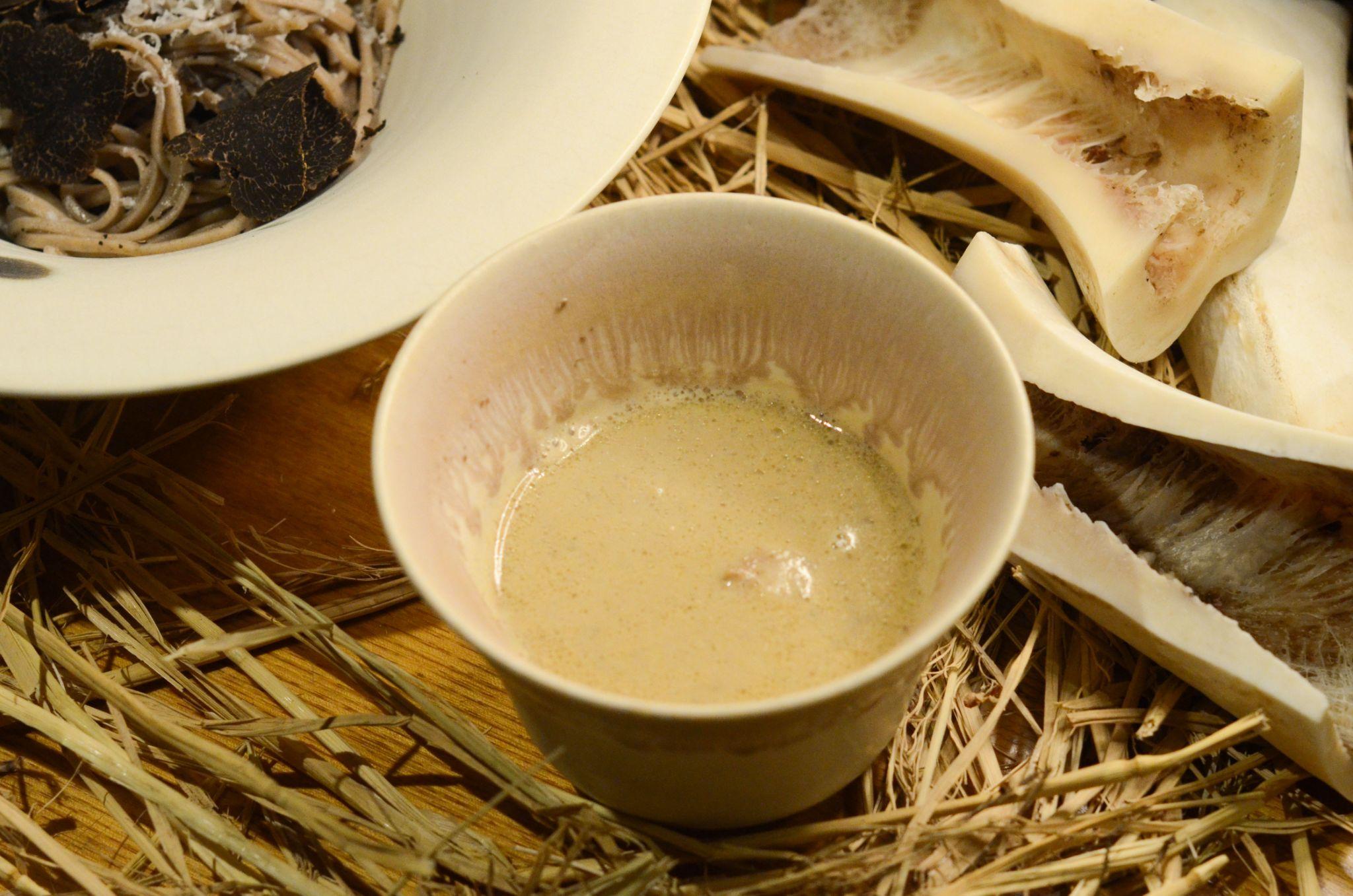
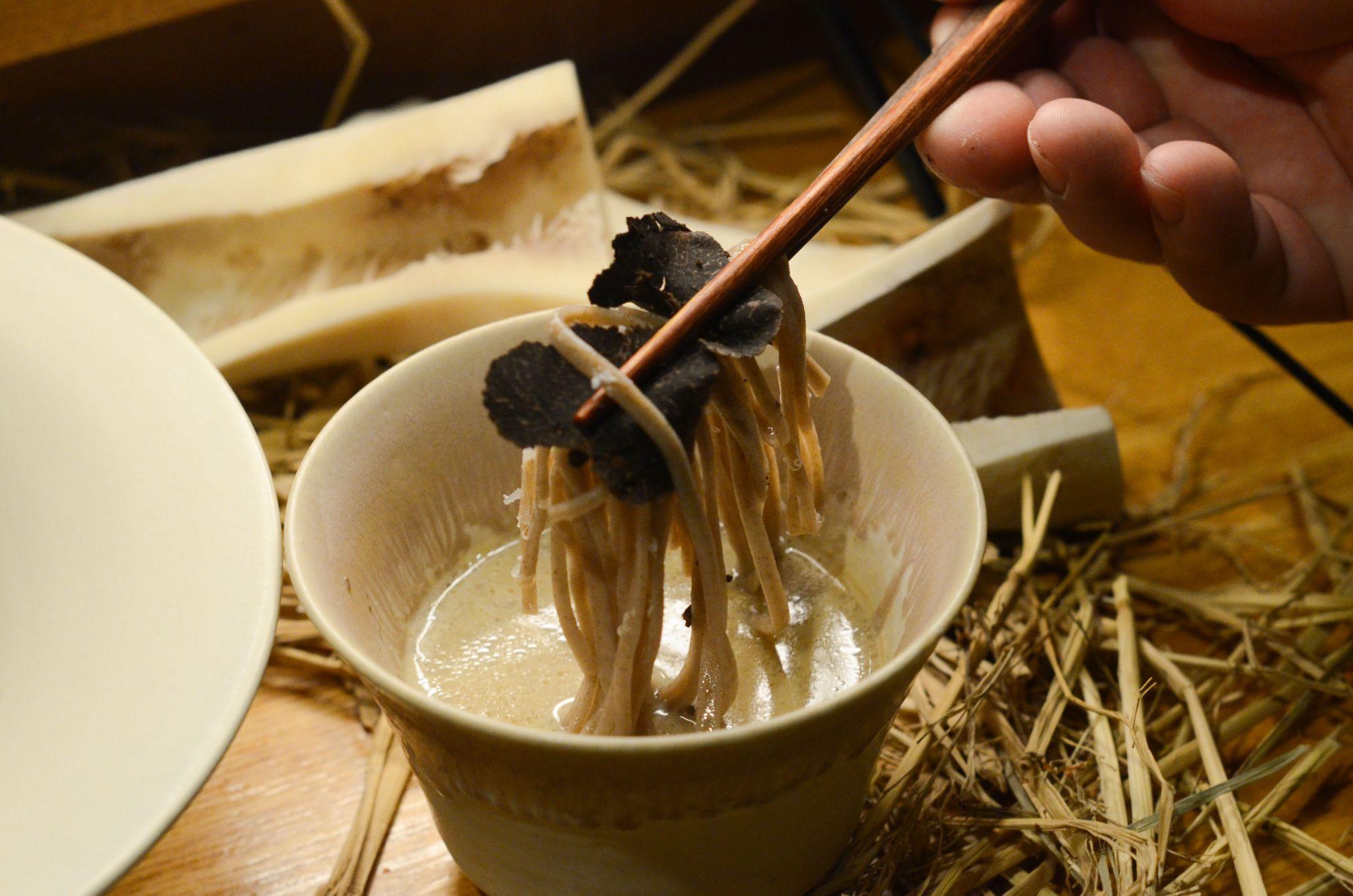
In ordinary livestock distribution, it is difficult to buy organ meats, including liver, specified by individual producer. After processing at the abattoir, offal is handled separately from the carcass and sold together. One may obtain “offal from a particular prefecture,” but finding “offal from a particular producer” is far harder.
According to Yoshida, Sankyo Group's stable supply from a herd of approximately 1,300 cattle made it possible to obtain this rare offal. Aoyama layered its distinctive aroma with the heady scent of truffles, delighting guests with an Itasoba created for this night alone.
Red-wine-braised cheek / Asparagus
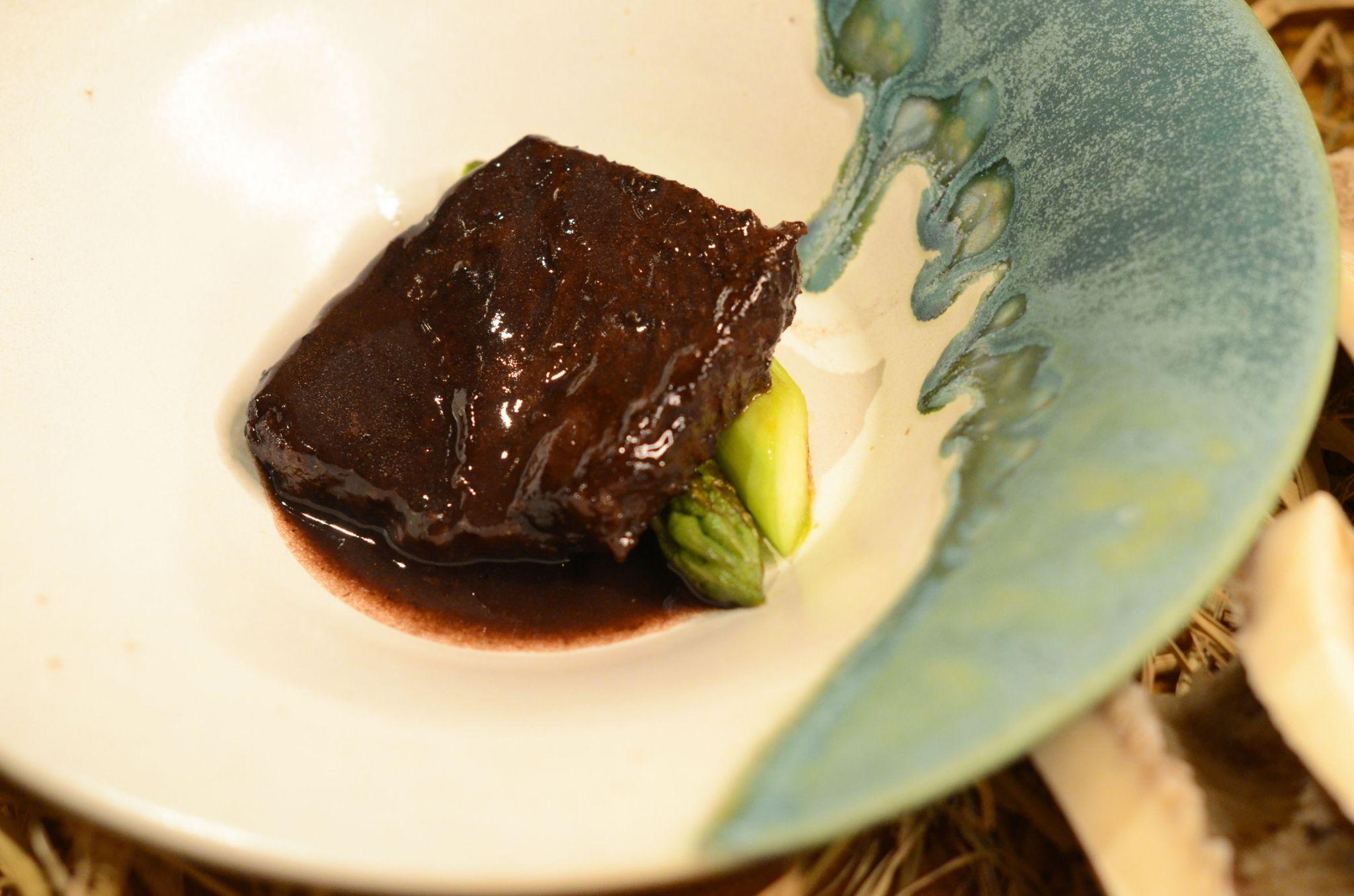
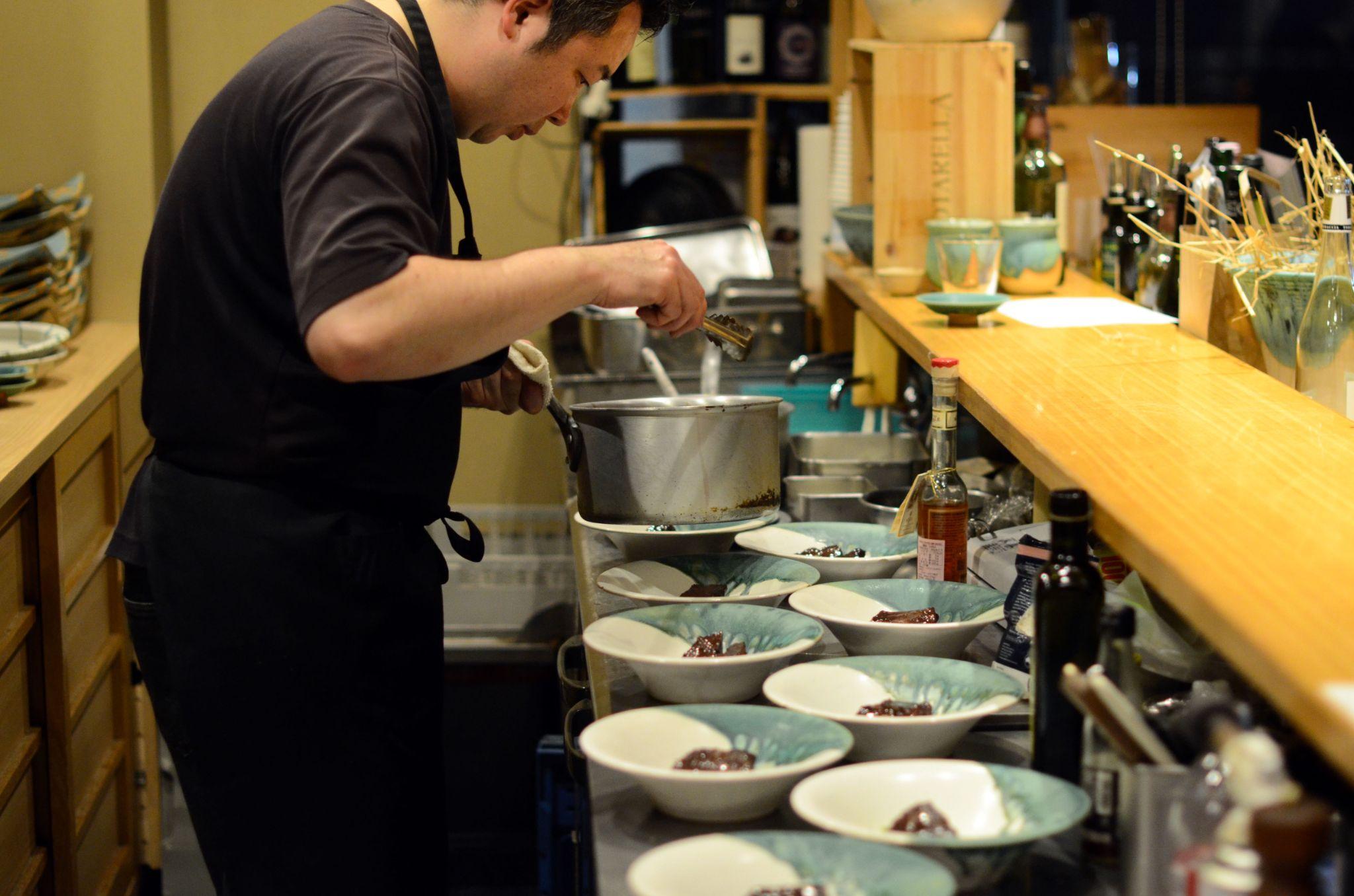
A classic French-inspired meat dish followed: Akaushi cheek braised in red wine.
Gelatin released from the cheek formed a glossy coating, contrasting with the meat's yielding texture and leaving a lingering finish. Because the braise used wine alone, without butter or other additions, the flavors remained light. Seno's skill and sensitivity were evident in a dish that kept the depth of a braise without becoming heavy.
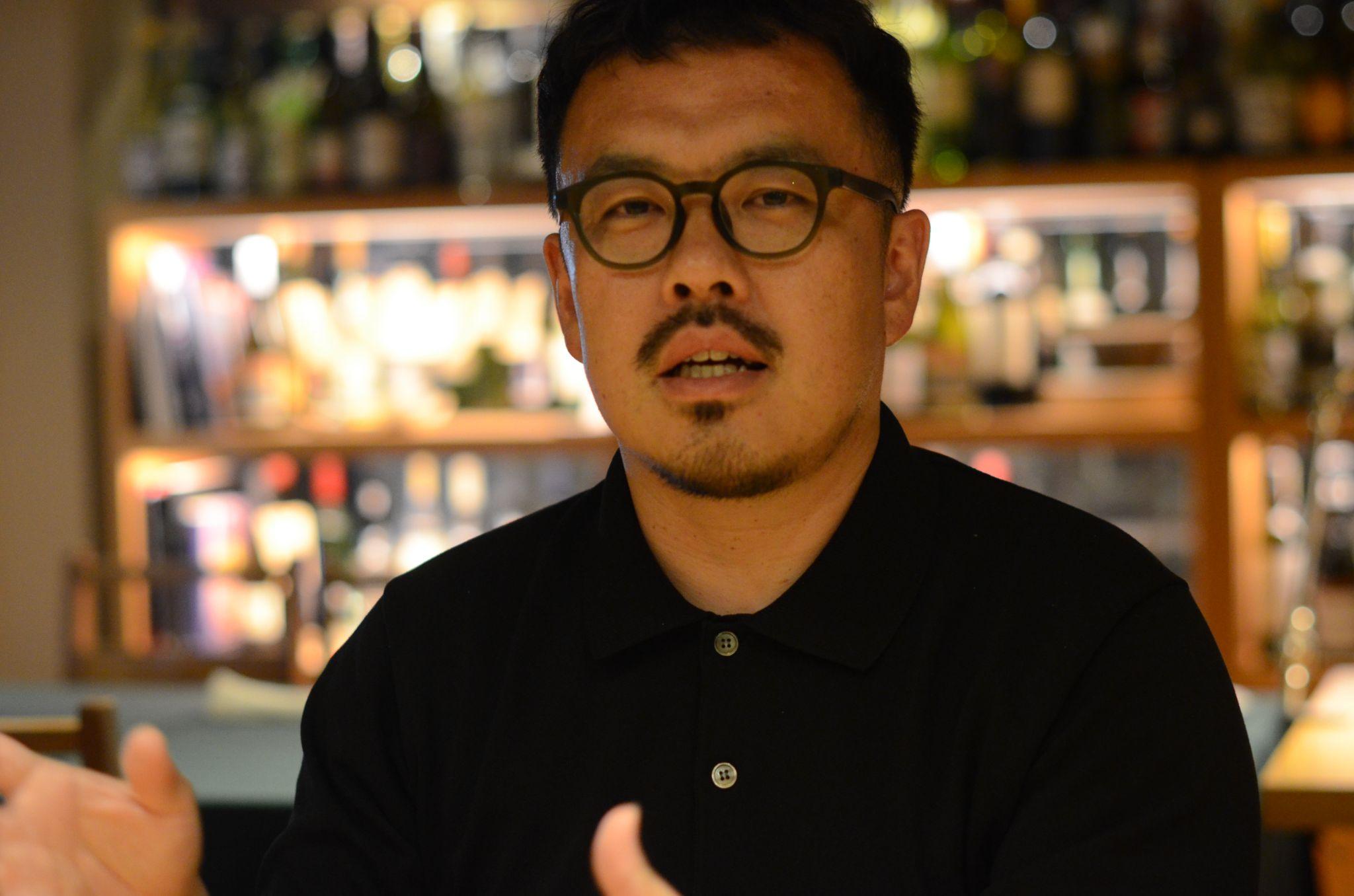
Yoshida praised the dish: “Of all the braised dishes I've eaten, this moved me the most.”
“Often the sauce is delicious, but the meat has been cooked so long that it seems to have given up all its flavor. In Seno's braise, the meat itself is delicious. As a producer, being able to eat a dish that truly communicates the ingredient is an incredibly happy moment,” he told the table.
It was a moment unlike an ordinary restaurant, where only consumers sit at the table: producer and guest found a shared understanding through the ingredient.
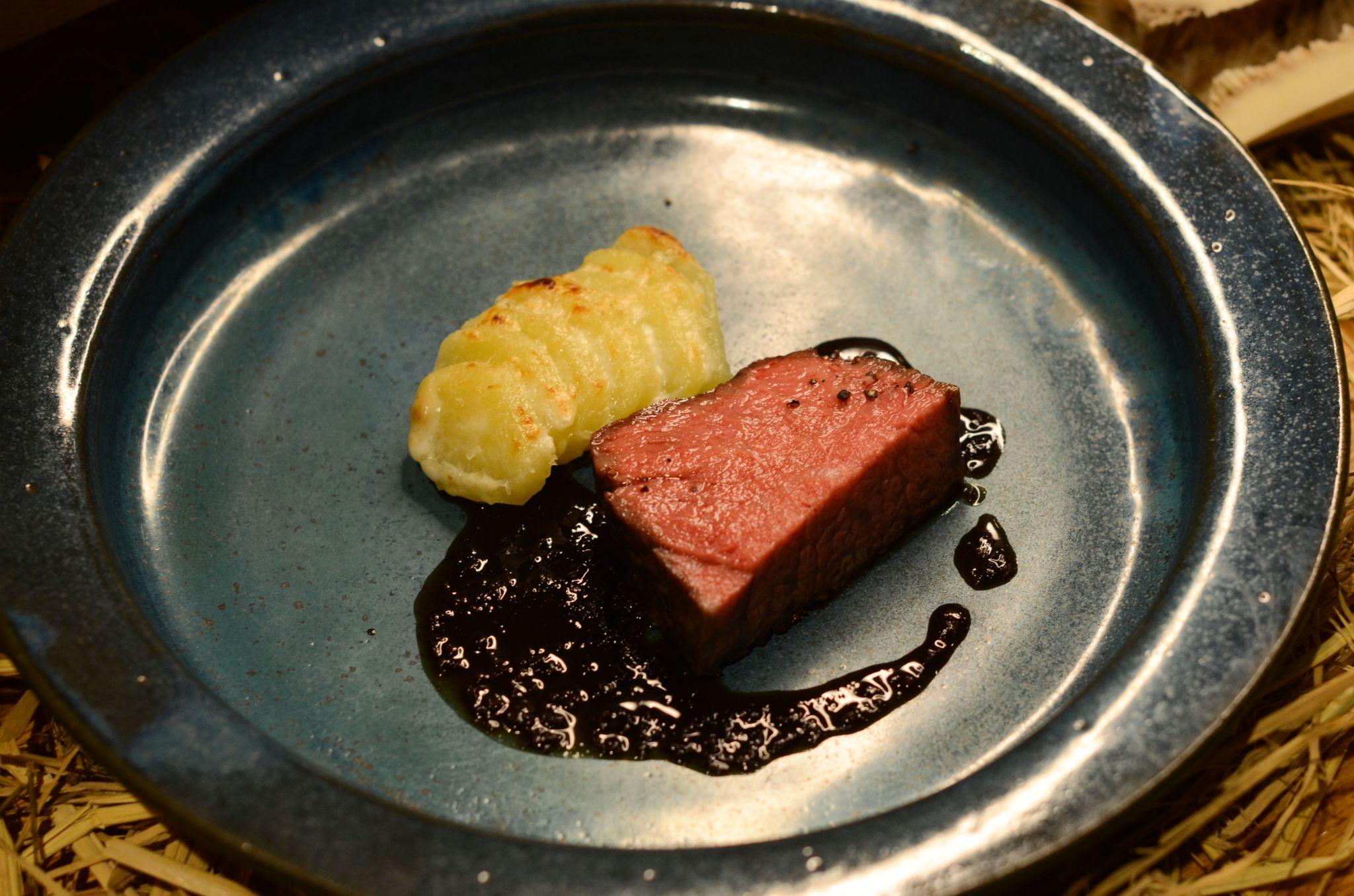
Sirloin / Dauphinoise potatoes
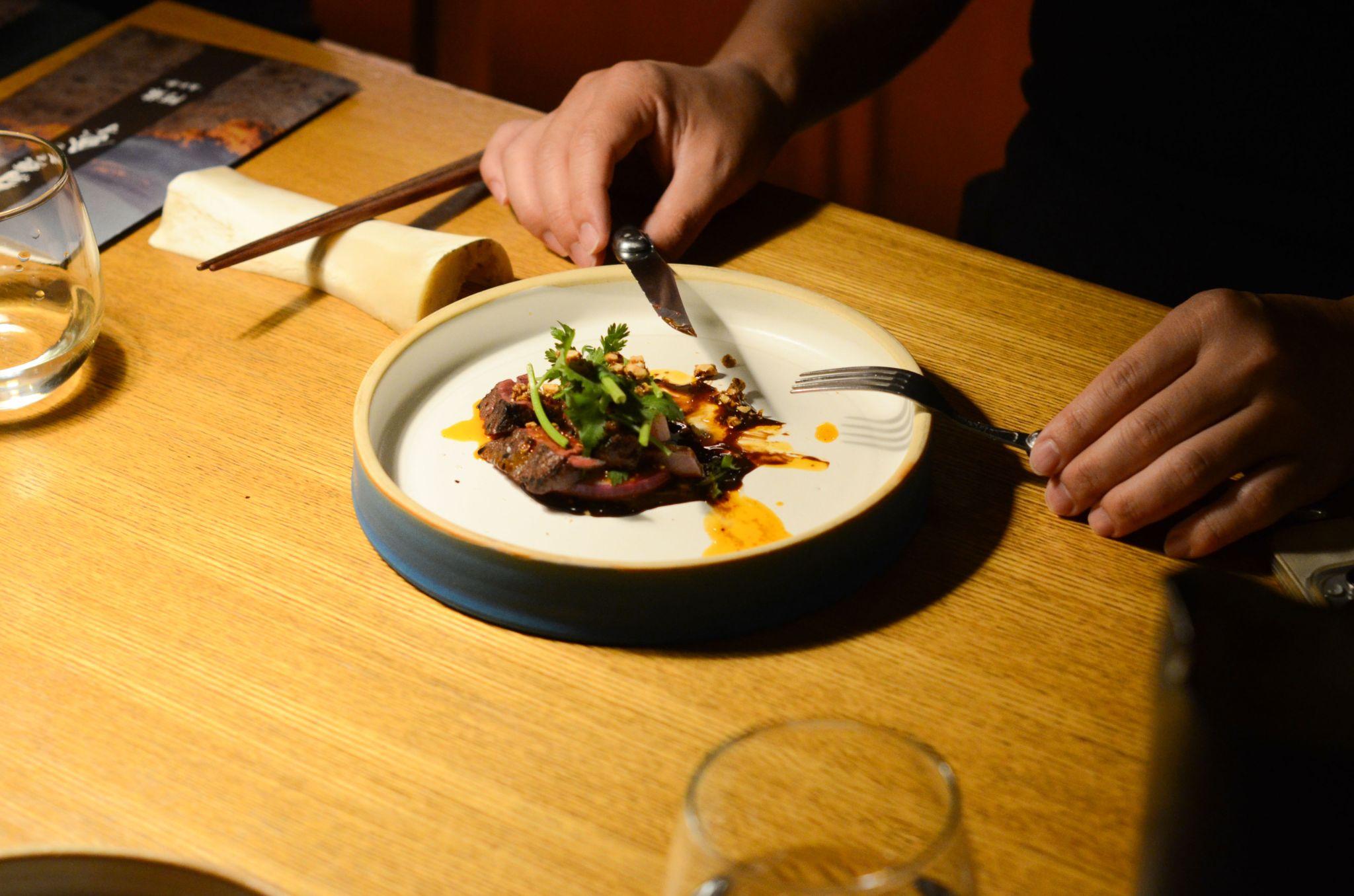
The final course was charcoal-grilled Akaushi sirloin, served with pommes dauphinoise, a traditional gratin of thinly sliced potatoes baked with milk or cream, originating in the Dauphiné region of southeastern France.
Through the delicate control of heat over charcoal, Seno expressed the distinctive character of this Akaushi: predominantly lean, yet with just enough fat.
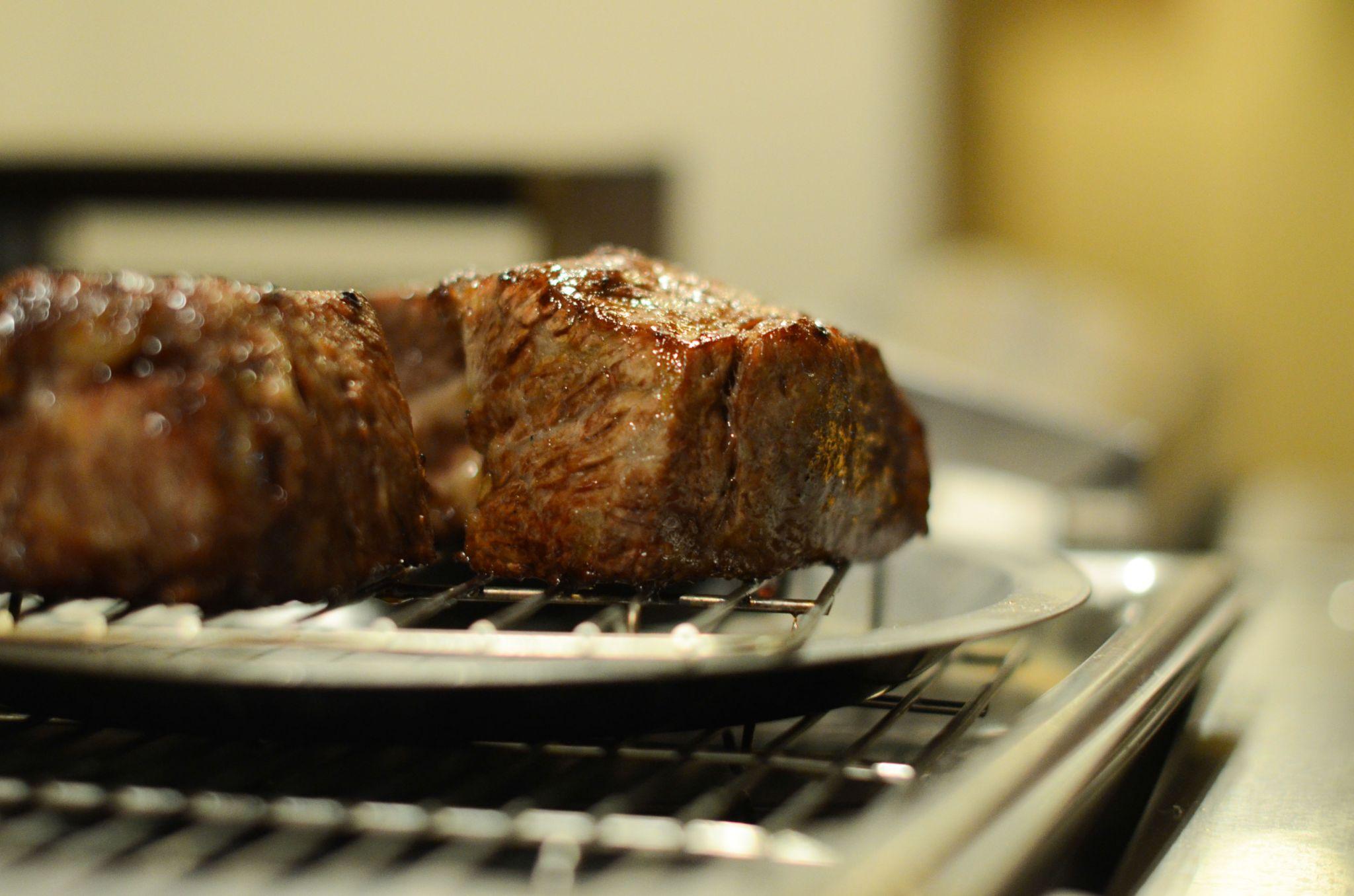
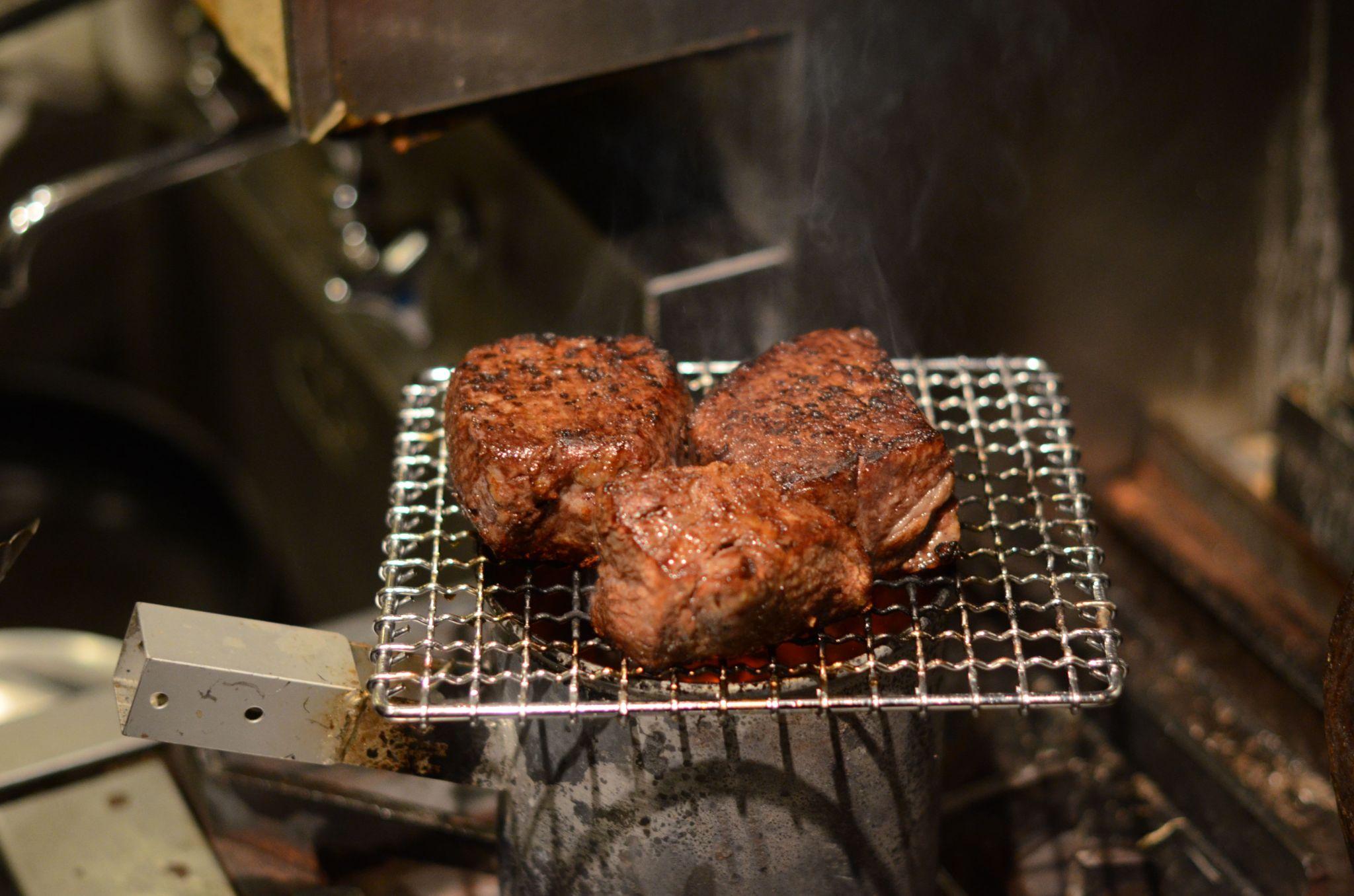
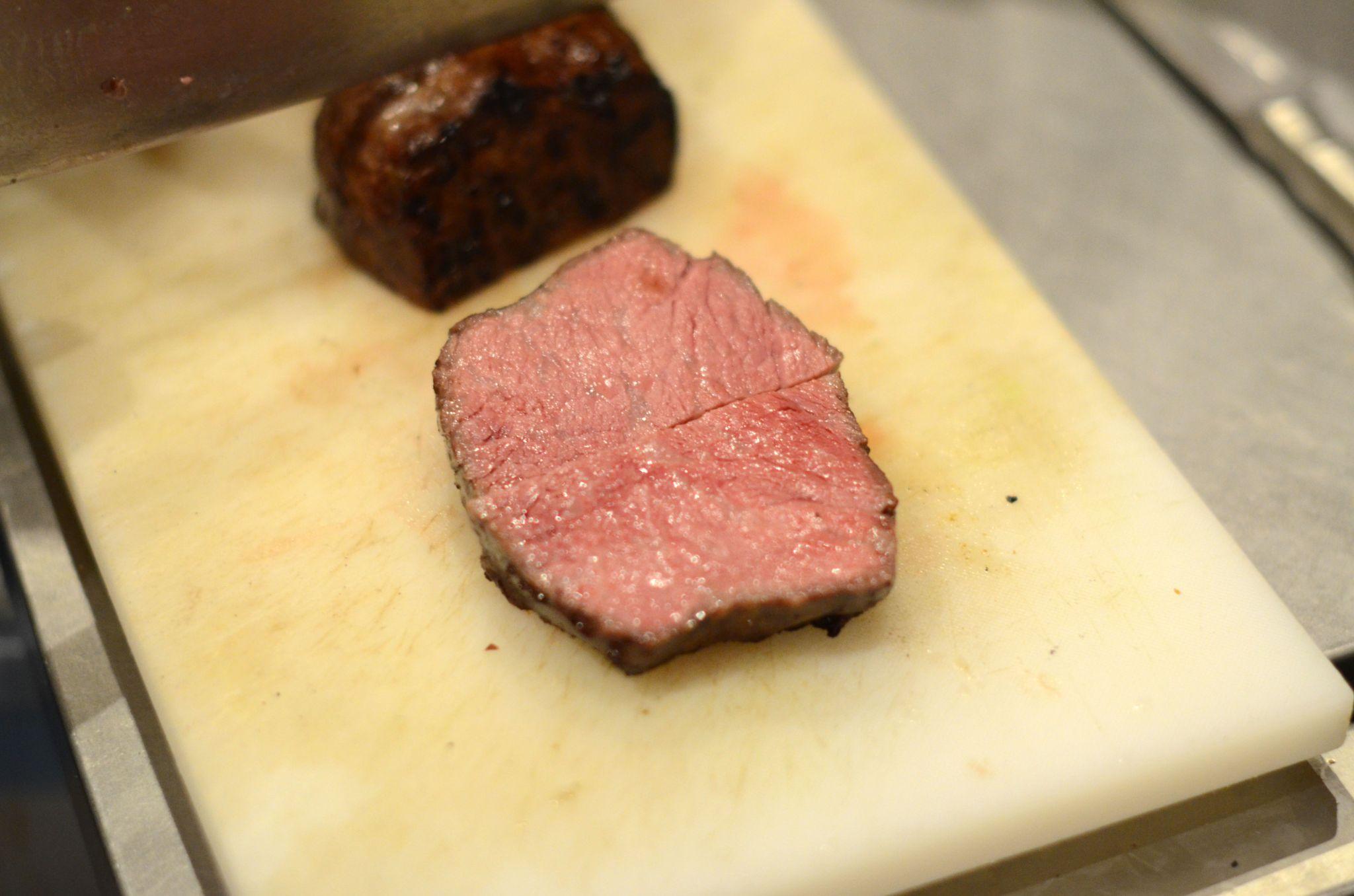
Guests tasting the combination of rich lean flavor and aroma—different from Japanese Black Wagyu—and Sankyo Group's husbandry techniques exclaimed, “Even though it's sirloin, I could eat so much of it” and “The fat feels so light.”
“Nature” was a boundary drawn by human beings
Behind the apparently gentle, ecological resonance of the words SHIZEN WO SHOKUSU—“eating nature”—lies a question that unsettles the foundations of the modern society in which we live.
To begin with, what does the word “nature,” which we use so casually, actually mean?
The concept itself, in fact, is profoundly artificial. In earlier Japanese usage, jinen—the characters now used for “nature”—meant things being as they are of themselves, a world that included human beings. From the Meiji period onward, however, the word was redefined as a translation of the Western concept of “Nature,” becoming the opposite of “civilization” or “humanity”: something outside humanity, to be managed and consumed.
In other words, “nature” is a boundary drawn by people. For trees and wild animals, the environment before them is their whole world; they draw no such line.
It is because humans created something unnatural called “civilization” that we felt compelled to name a boundary and call what lay beyond it “nature.”
To think of the place where ingredients originate, empathize with a producer's story and enjoy them beautifully prepared may be a rich experience of modern dining. Yet this can also be seen as remaining within the anthropocentric assumptions of modernity, which separate humans from nature.
That is why it matters that Aoyama, who runs a restaurant subject to the demands of economic efficiency, is pursuing SHIZEN WO SHOKUSU through a framework distinct from the restaurant itself.
Precisely because his daily work is governed by the “rules of capitalism”—efficiency, reproducibility and food-cost ratios—this experiment becomes a powerful counterpoint to modern ideas of productivity.
The essence of SHIZEN WO SHOKUSU is not to gaze upon an objective “nature” situated outside ourselves. It is to chew it, bring it into the human body and make it part of us. Through eating, we may break through the divide between “humanity and nature” constructed by modern society.
In doing so, participants may, for a moment, step outside the roles assigned to them by society and move toward something raw and untamed. That possibility might seem a little frightening.
But beyond that boundary lies a world of beauty and profound value. SHIZEN WO SHOKUSU exists so that producers, chefs and guests can share a glimpse of that world together.
For anyone who feels that today's highly optimized, increasingly standardized restaurants have lost something essential, SHIZEN WO SHOKUSU offers more than delicious food. It offers an unfamiliar experience that delights the senses and the intellect, leaving the mind somehow quieter and more whole through eating.
If you care deeply about the essence of food, we hope you will take a seat at this special table next time.
Concept: Taku Aoyama / Chef: Keisuke Seno / Producer: Ryuhei Yoshida